Emotional Resilience: Lessons from Dance
Emotional resilience is a critical skill in navigating life's transitions, and surprisingly, dance can offer profound lessons in building this essential trait. This article will explore how engaging in social dance, such as salsa and bachata, can enhance emotional resilience through community connection and expressive movement.
Understanding Emotional Resilience
Emotional resilience refers to an individual's ability to adapt to stress and adversity. According to research, resilient individuals tend to maintain a positive outlook and recover more quickly from setbacks. Experts recommend developing emotional resilience to cope with challenges effectively, particularly during life transitions.
The Dance Connection
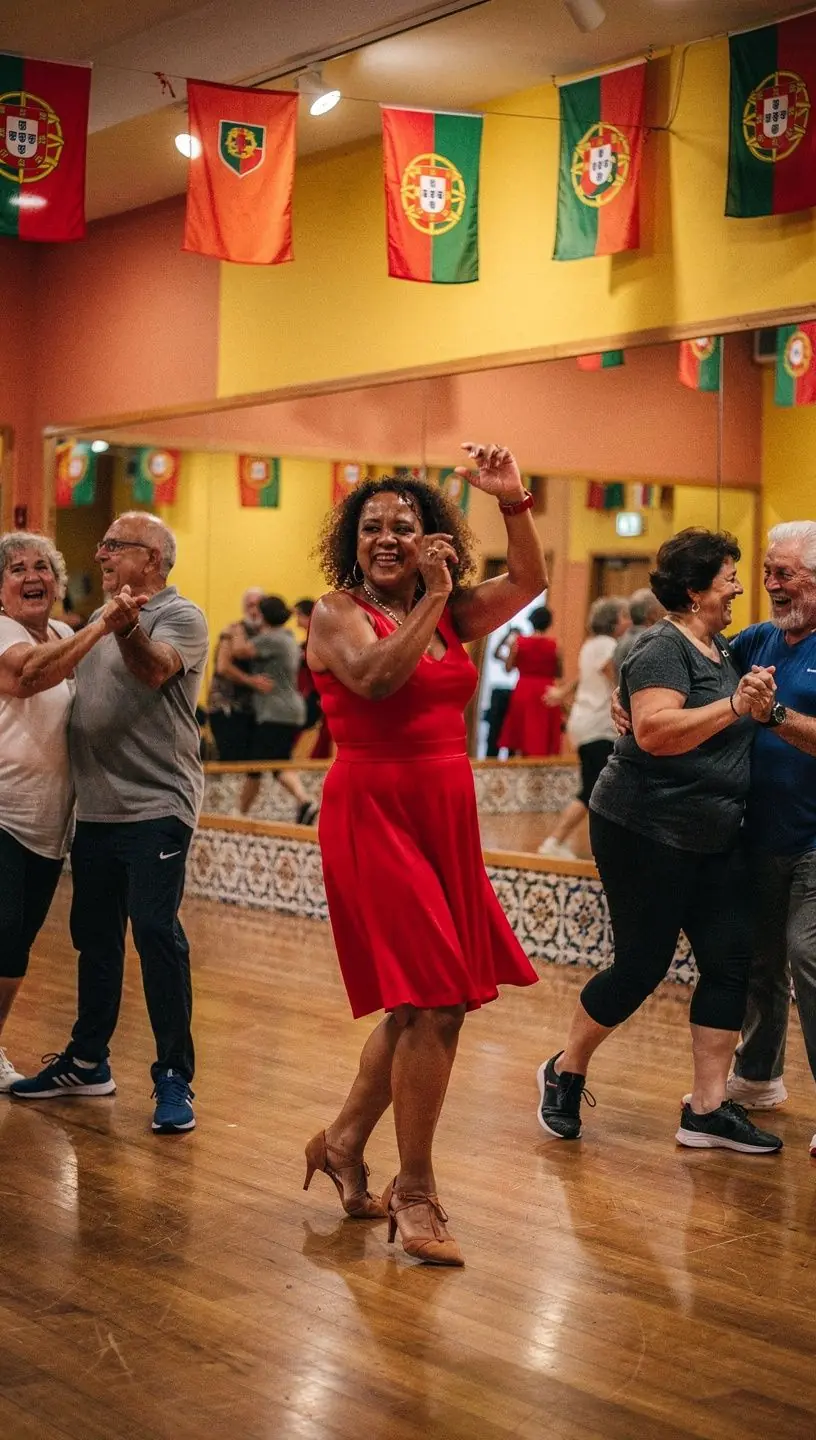
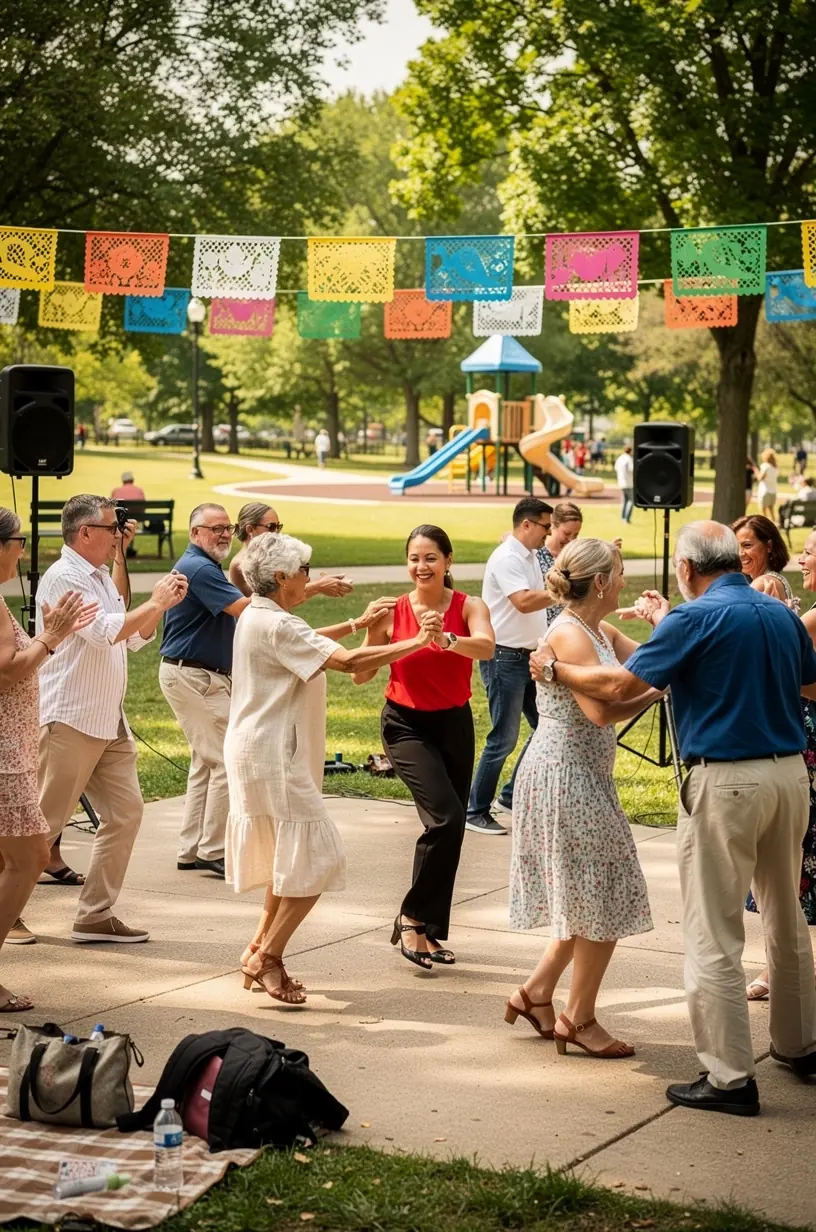
Many users report that participating in dance fosters a sense of belonging and community. This connection is vital because social support is a key component of emotional resilience. When individuals engage in social dance, they not only learn new movements but also build relationships with others, thus enhancing their support networks.
"Dance encourages individuals to express themselves, which helps in processing emotions and reinforcing resilience." - Dance Therapy Research Journal
How Dance Enhances Resilience
Engaging in dance can help improve emotional resilience in several ways:
- Physical Expression: Dance allows individuals to express their emotions physically, which can provide relief and promote emotional processing.
- Community Building: Participating in group dance classes or events fosters relationships and community ties, which can serve as a buffer against stress.
- Mindfulness Practice: Many dance forms encourage mindfulness, helping participants to stay present and focused, which is beneficial during stressful situations.
Practical Steps to Engage in Dance for Resilience
To harness the emotional benefits of dance, consider the following steps:
- Join a Local Dance Class: Look for bachata or salsa classes in your area. Engaging with others in a supportive environment may take a few weeks of commitment but can lead to meaningful friendships.
- Attend Social Dance Events: Participate in community dance events to enhance your social skills and expand your network. This typically requires a willingness to step out of your comfort zone.
- Practice Regularly: Dedicate time each week for dance practice. Research indicates that consistent practice can lead to increased confidence and emotional well-being.
Conclusion
Social dance is more than just an enjoyable activity; it is a powerful tool for developing emotional resilience. Through physical expression, community engagement, and mindfulness, dance can help individuals build the skills necessary to navigate life's challenges. By committing to regular practice and connecting with others through dance, many have found a reliable way to enhance their emotional well-being. Remember, the journey to emotional resilience is personal and requires time and dedication, but the rewards can be profound.