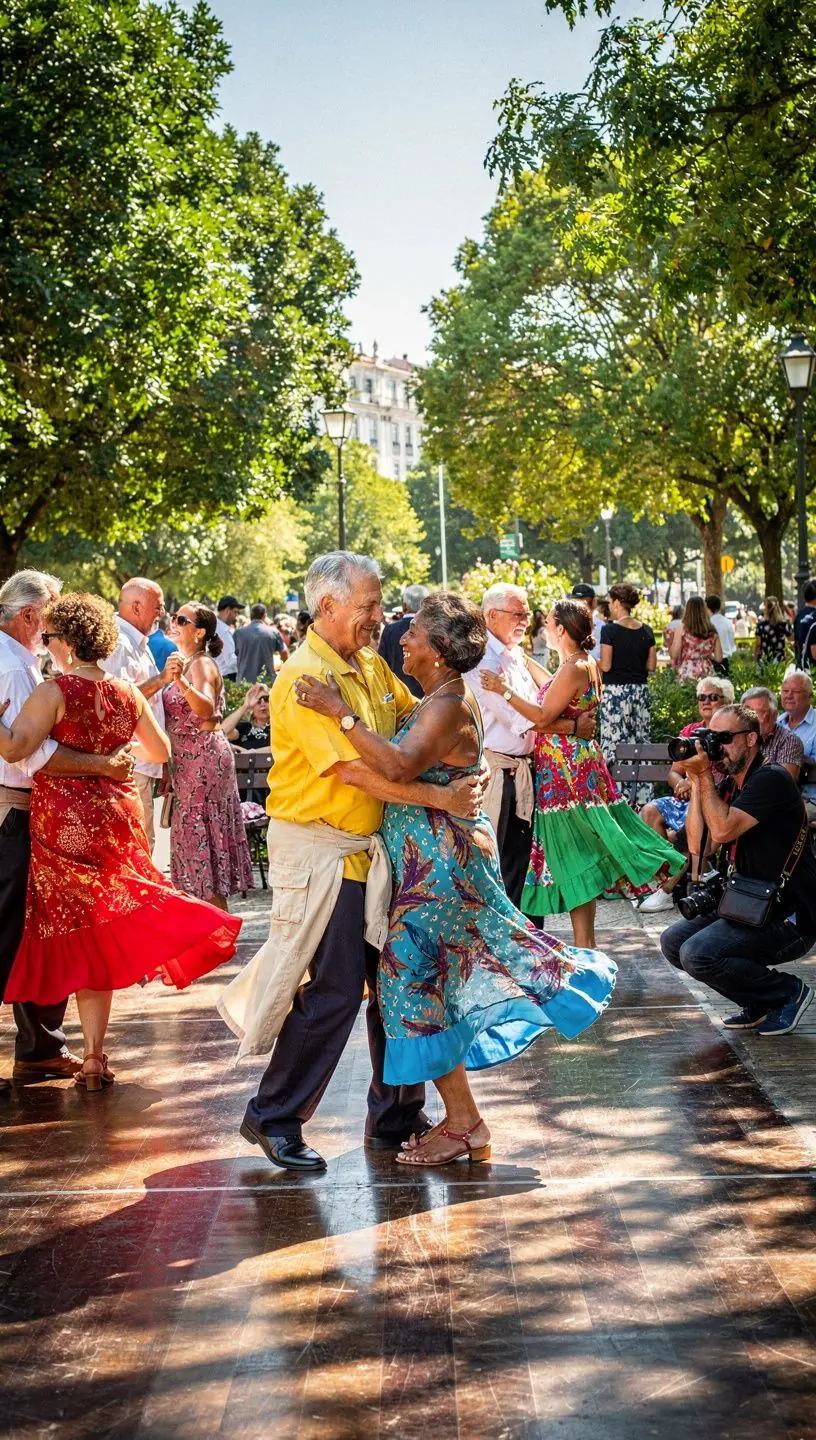
The Impact of Salsa on Social Engagement
Salsa dancing has gained immense popularity worldwide, not just for its rhythmic beats and energetic movements but also for its potential to enhance social engagement. In this article, we will explore how Salsa can foster community connections and improve social interaction, particularly in the context of life transition coaching and integrated dance events.
Understanding the Basics of Salsa
Salsa is a vibrant dance form that originates from Latin America, particularly influenced by Cuban music and dance styles. It typically involves a series of fast-paced steps, spins, and turns, often performed in pairs. According to studies, dancing, including Salsa, promotes physical health and emotional wellbeing, which can significantly contribute to social engagement.
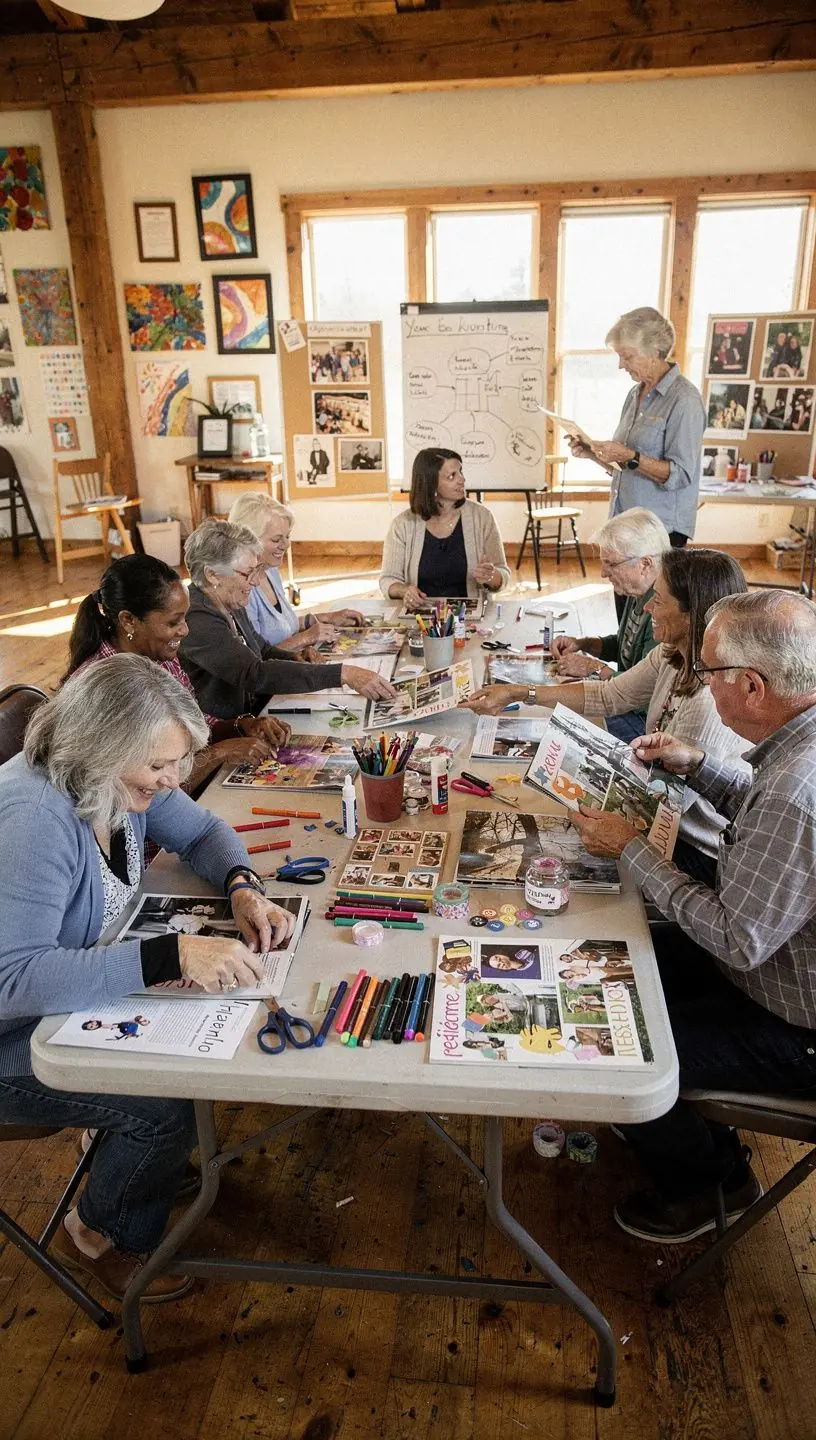
"Dancing not only improves fitness but also enhances social connections and emotional expression, making it a powerful tool for community building." — Dance Research Journal
The Social Benefits of Salsa Dancing
Salsa dancing can have several positive effects on social engagement:
- Facilitates Interaction: Participating in Salsa classes or events encourages people to meet and interact, breaking down social barriers. Many users report feeling more connected to their community after engaging in dance.
- Builds Confidence: Regular Salsa practice can improve self-esteem and boost confidence. According to experts, individuals who dance regularly often develop a greater sense of social ease and are more likely to initiate conversations in social settings.
- Creates a Supportive Environment: Salsa classes often foster a sense of belonging and support among participants. This can be particularly beneficial for individuals undergoing life transitions, as they can find encouragement and camaraderie in their peers.
How Salsa Enhances Community Connection
The principles behind Salsa dancing can effectively enhance community connection:
- Regular Participation: Joining a Salsa class or community event typically requires a time commitment of a few hours each week. Research indicates that consistent social activities, like dancing, are linked to improved mental health and wellbeing.
- Inclusive Atmosphere: Salsa is often celebrated for its inclusivity, welcoming dancers of all skill levels and backgrounds. This inclusivity can create a rich tapestry of social interactions, making it suitable for diverse community members.
- Shared Experiences: Engaging in Salsa dancing creates shared experiences, which are vital for building strong social bonds. The joy of learning and performing together can lead to lasting friendships and a sense of community.
Conclusion
In conclusion, Salsa dancing serves as more than just a physical activity; it can be a catalyst for improved social engagement and community building. While the benefits of Salsa are evident, individuals may need to invest time and effort to fully experience these advantages. Many users find that regular participation in Salsa classes not only enhances their dance skills but also fosters deeper connections within their community. By integrating dance into life transition coaching programs, individuals can enrich their social lives and create a supportive network, helping to navigate the challenges of change with greater ease.