Exploring the Benefits of Bachata for Well-Being
Bachata is more than just a dance; it serves as a transformative tool for well-being. This article delves into the various benefits of engaging in Bachata, especially within community-focused environments, and how it can enhance both mental and physical health.
Understanding the Basics of Bachata
Bachata is a genre of Latin American music and dance that originated in the Dominican Republic. Typically, it involves a rhythmic four-step dance that is both intimate and expressive. Engaging in social dance like Bachata can have profound effects on one’s mental and physical well-being. According to studies, participative forms of dance can improve mood and reduce symptoms of anxiety and depression.
"Dancing has been shown to stimulate brain function and enhance emotional health," says Dr. Maria Lopez, a clinical psychologist specializing in community health.
Benefits of Bachata for Well-Being
- Physical Health: Regular participation in Bachata can improve cardiovascular health. A study published in the Journal of Physical Activity and Health found that social dancing, including genres like Bachata and Salsa, can increase overall physical fitness levels.
- Mental Wellness: Engaging in Bachata involves memorizing steps and movements which can enhance cognitive function. Research indicates that activities requiring coordination and memorization may help in maintaining mental acuity as one ages.
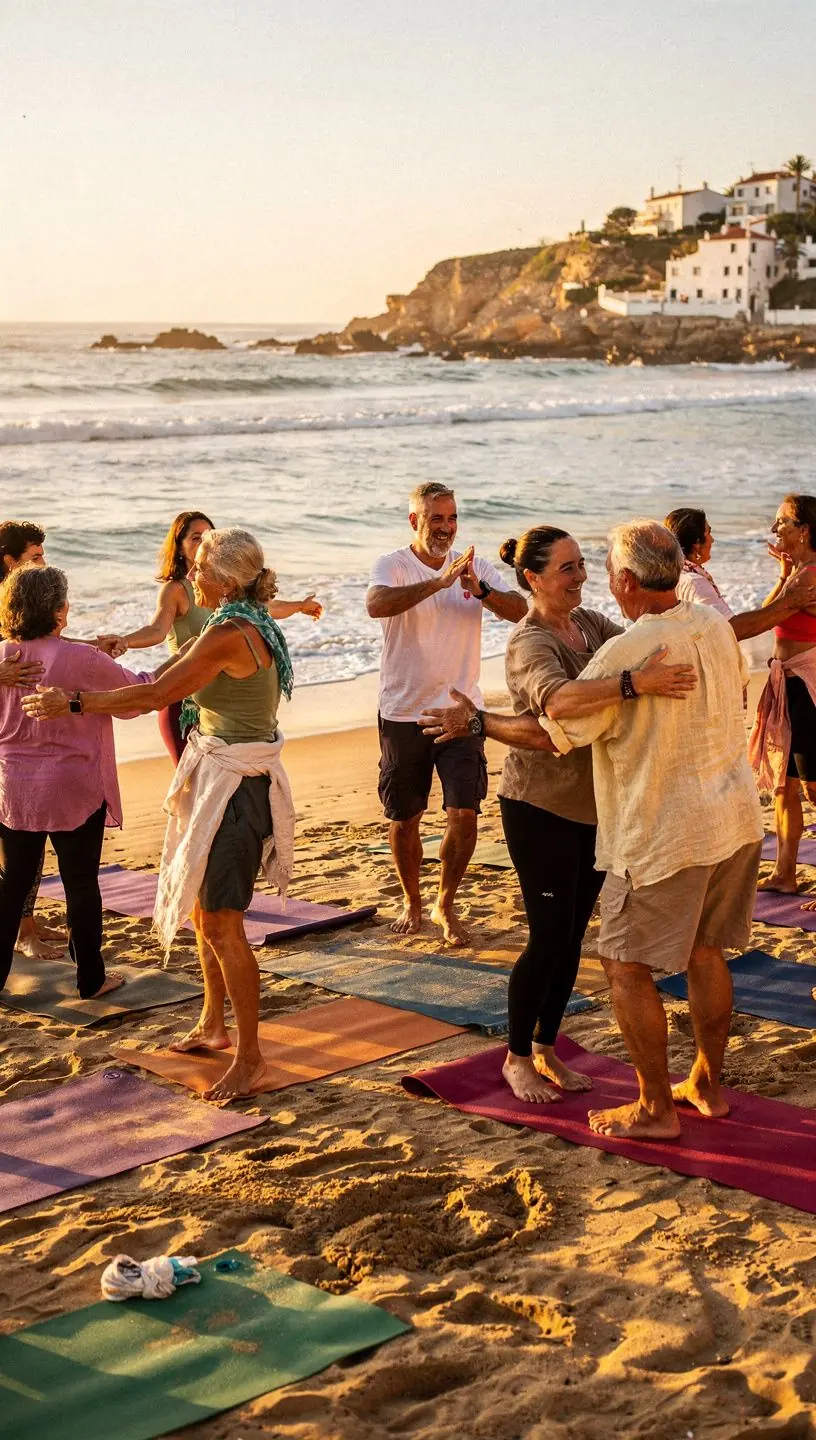
- Social Connection: Bachata is often danced in social settings, promoting interaction and community building. Many participants report feeling a greater sense of belonging, which is vital for emotional health. According to experts, socialization is an essential factor in reducing feelings of loneliness.
How to Get Started with Bachata
To truly benefit from Bachata, consider joining a local coaching center that offers structured programs. Here’s how you can start:
- Find a Class: Look for local dance studios that offer Bachata classes. Many centers also integrate social dance events which can enhance your learning experience.
- Commit to Practice: While learning the basic steps can take merely one or two classes, becoming proficient typically takes several weeks of consistent practice. Dedication is key to maximizing your experience.
- Engage with the Community: Attend social dance events regularly. These gatherings not only allow you to practice but also foster friendships and connect with like-minded individuals.
Challenges and Considerations
While the benefits of Bachata are substantial, it’s important to acknowledge some limitations. The learning curve can be steep for newcomers, and some may find the initial steps challenging. Typically, it takes 2-4 weeks to feel comfortable in a class setting. Additionally, those who are new to dancing may find it helpful to practice outside of class to reinforce what they have learned.
Conclusion
Incorporating Bachata into your life can yield numerous mental and physical health benefits, from improved cardiovascular fitness to enhanced cognitive function and social connections. As you explore this vibrant dance, remember that commitment and practice are essential for realizing its full potential. Engaging in this community-centered dance not only enriches your life but also allows you to connect meaningfully with others.
Learn More