Coping Strategies for Midlife Transitions
Midlife transitions can be challenging, bringing about significant changes in personal, professional, and social spheres. Understanding effective strategies to cope with these shifts is essential for emotional well-being and overall life satisfaction.
Understanding the Basics
Midlife transitions, often occurring in the 40s and 50s, can include changes such as career shifts, children leaving home, or health issues. Research indicates that these transitions can lead to feelings of uncertainty and anxiety. According to experts, this period often requires individuals to reevaluate their goals and relationships, which can be both daunting and liberating.

"Navigating midlife transitions can be overwhelming, but with the right strategies, individuals can thrive during this transformative period."
Practical Coping Strategies
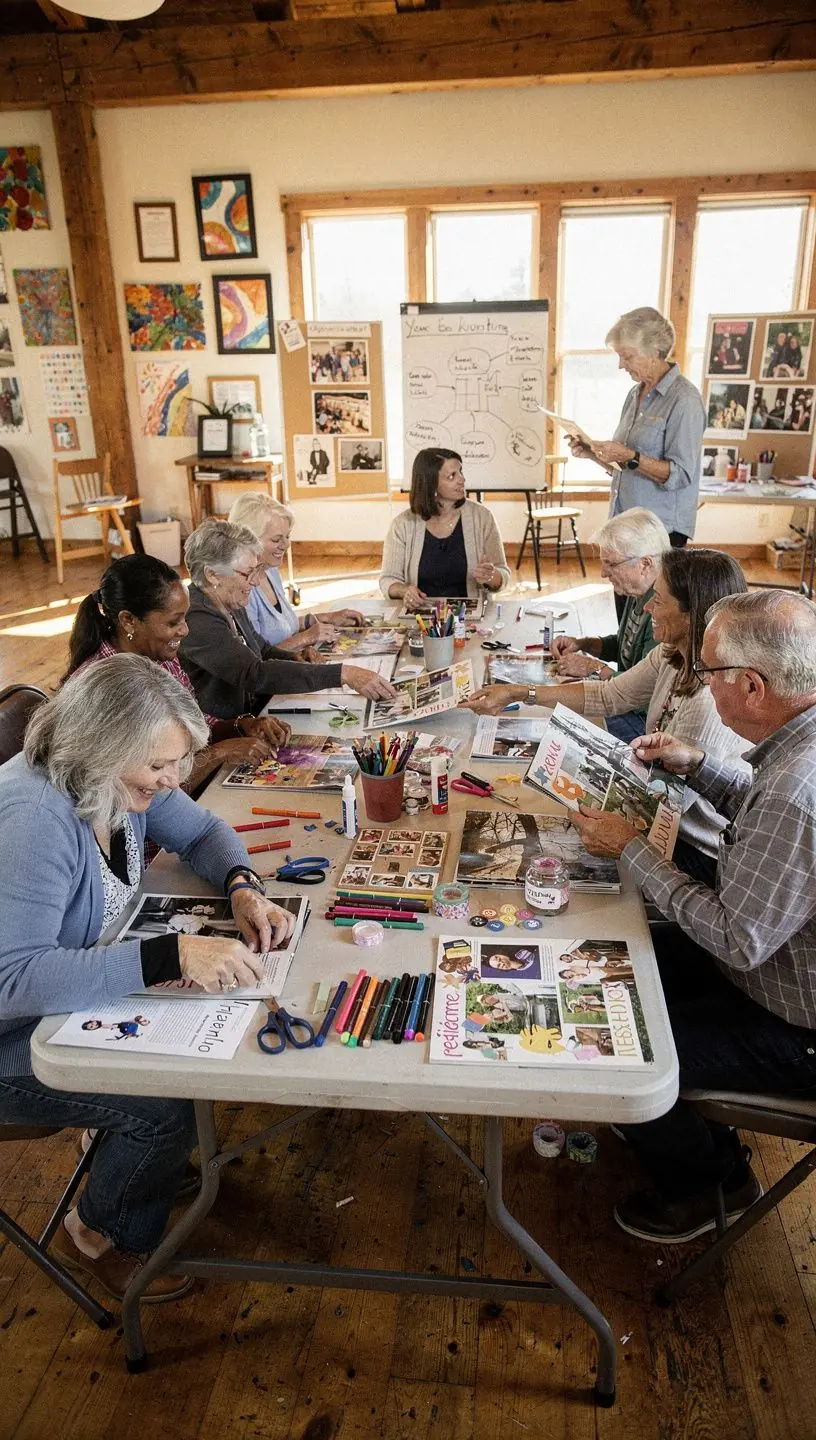
- Establish a Support Network: Connecting with friends, family, or support groups can provide emotional support. Studies show that social connections are crucial for mental health, especially during significant life changes.
- Engage in Lifelong Learning: Pursuing new interests or skills can help maintain a sense of purpose. Many individuals report that engaging in educational programs or workshops helps them to feel invigorated and more focused on personal growth.
- Practice Mindfulness and Self-Care: Implementing mindfulness practices, such as meditation or yoga, can enhance emotional resilience. Experts suggest that these practices can reduce stress levels and improve overall mental clarity.
- Explore New Hobbies: Taking up dancing or joining community events, such as social dance nights focusing on bachata or salsa, can boost mood and foster social connections. Engaging in physical activities is often linked to improved mental health outcomes.
Why These Strategies Work
The effectiveness of these coping strategies lies in their ability to foster connection and purpose. Establishing a support network enables individuals to share experiences, reducing feelings of isolation. Engaging in lifelong learning stimulates cognitive function and can enhance self-esteem, often leading to a more fulfilling life.
Furthermore, mindfulness practices have been shown to alter brain patterns associated with anxiety and stress, allowing individuals to approach challenges with a calmer mindset. Regular participation in community activities, like dance, can also improve physical health and promote a sense of belonging, which is particularly beneficial during transitional periods.
Conclusion
Midlife transitions can be a complex and often daunting process. However, by employing practical coping strategies such as building a support network, pursuing lifelong learning, practicing mindfulness, and engaging in new hobbies, individuals can navigate this period more effectively. Results may vary, with some strategies taking time to yield noticeable benefits—typically several weeks to months. By acknowledging these processes and setting realistic expectations, individuals can find greater satisfaction and joy during this transformative phase of life.
Learn More